Web Analytics Decoded: How Understanding Your Online Traffic Can Transform Your Business

Share
Web analytics is the process of collecting, measuring, analyzing, and reporting of web data for the sake of understanding and optimizing web usage. It is a crucial asset for businesses looking to improve their online presence and increase conversions.
There are different types of web analytics, including page-level analytics, site-level analytics, and campaign analytics.
Web Analytics consists of 4 key components:
- Measurement: Which is the process of collecting data from different online platforms and interactions.
- Collection: Consists of gathering data from diverse sources, such as websites, social media, and mobile applications.
- Analysis: It’s about examining data to derive meaningful insights into user behavior, preferences, and trends.
- Reporting: And this is the final step of presenting findings in a comprehensible format, often through reports and visualizations.
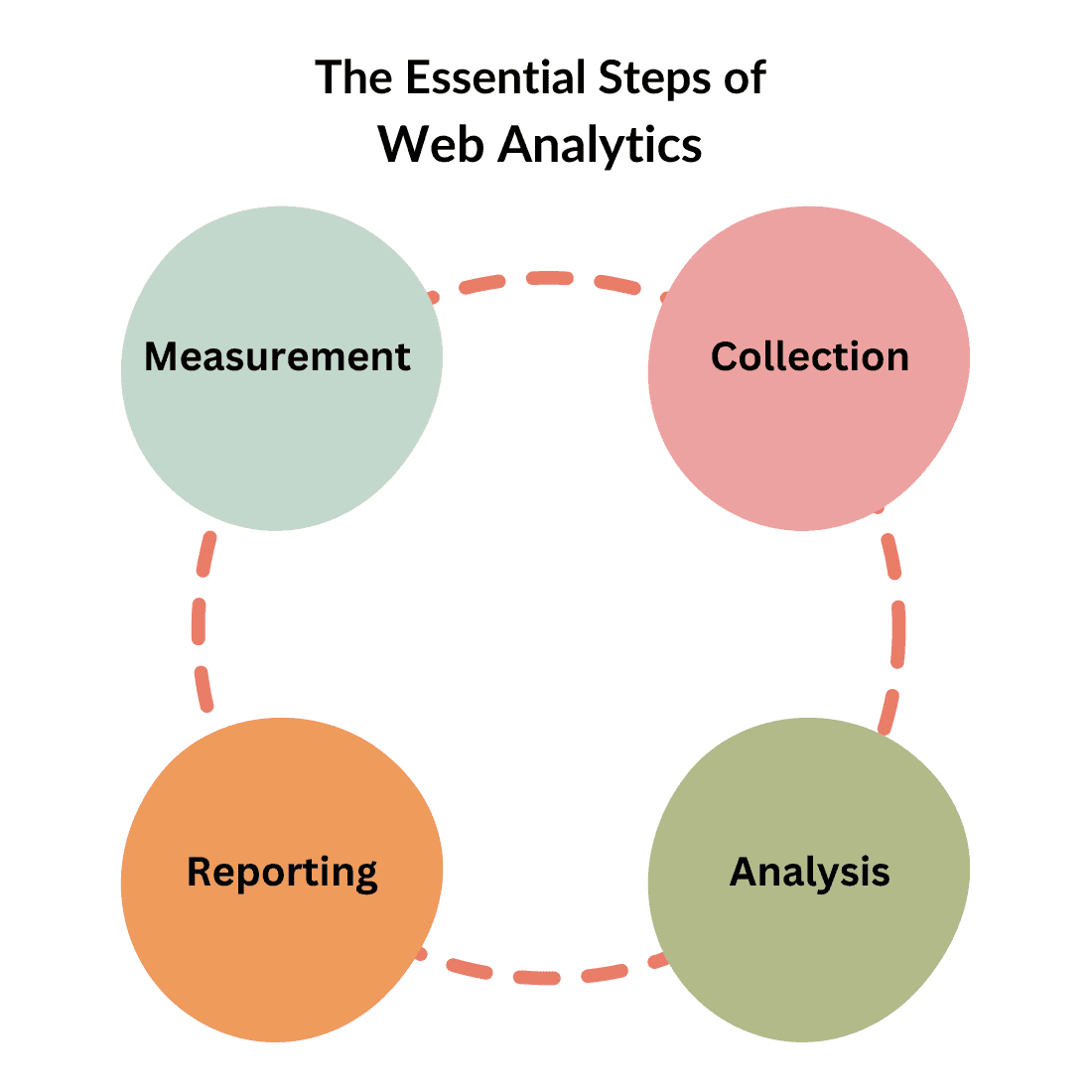
Figure 1: The Essential Steps of Web Analytics
Page-Level Analytics, Site-Level Analytics, and Campaign Analytics
Each type of analytics offers valuable insights, and the best approach often combines all three perspectives for a comprehensive understanding of your website and marketing performance. The table below clarifies the difference more.
| Focus | Purpose | Metrics | |
|---|---|---|---|
| Page-Level Analytics | Individual pages of a website. | Understand the performance and engagement of specific content or pages. | Include page views, unique page visits, time spent on the page, bounce rates, and interactions with elements on the page. |
| Site-Level Analytics | Overall performance of the entire website. | Provide a comprehensive view of the website's effectiveness and user engagement. | Include total site visits, unique visitors, average time spent on the site, overall conversion rates, and user demographics. |
| Campaign Analytics | Performance of specific marketing campaigns. | Evaluate the effectiveness of marketing efforts and track user interactions and conversions resulting from those campaigns. | Include click-through rates, conversion rates, user engagement specific to the campaign, and return on investment (ROI) . |
Key Metrics to Track
There are several key metrics that businesses should track using web analytics to determine their website's performance.
Traffic Sources
This metric enables you to discover where your website visitors are coming from. Are they coming from search engines, social media, or through paid ads? This is crucial to understand which marketing channels are the most performant and where to focus more.
Bounce Rate
This indicates the percentage of visitors leaving your website after viewing only one page. A high bounce rate is a bad sign and can indicate that your website isn't appealing to users, so it's important to analyze what isn’t working and how to make improvements.
Time on Site
This is the average time spent by visitors browsing your website. It can help you identify which pages are more engaging.
Conversion Rate
This is the percentage of visitors on the website who took a desired action such as subscribing to a newsletter or making a purchase. This metric measures the effectiveness of your website in turning visitors into customers or leads.
Click-Through Rate (CTR)
It’s the percentage of visitors clicking on a specific link. This metric helps you understand the effectiveness of your call to actions (CTAs) and the likeliness of the visitors clicking on them.
Understanding these metrics can help businesses identify areas where improvements can be made. So how exactly can web analytics benefit businesses?
Benefits of Web Analytics
Web analytics is a critical tool for businesses looking to optimize their online presence. By understanding key metrics and using web analytics tools, businesses can make data-driven decisions that lead to improved website performance and increased conversions. To start reaping the benefits of web analytics, businesses should begin tracking their website data today.
Website Performance Optimization
Web analytics optimizes your website by letting you see how users navigate, engage, and convert. By measuring key metrics like bounce rate, traffic sources, and page flow, you can identify strengths and weaknesses.
Web analytics give you powerful insights to improve slow pages, analyze trending keywords, and personalize your content based on user behavior. Remember, it's not just about analyzing one metric, it’s all about understanding the bigger picture and using data to drive sustainable growth for your website.
Enhancing User Experience (UX)
Web Analytics is crucial to enhance User Experience. You can identify users’ pain points including page views, time spent, and bounce rate; and analyze button clicks, form interactions, and video playbacks. Heatmaps also help you visualize user interaction hotspots, revealing neglected elements and informing strategic CTA placement.
Remember, user experience is not just about aesthetics, monitoring page speed and addressing 404 errors properly can make your website run smoothly and eventually make you stand out of competition.
Increasing Conversion Rates
Everything is connected, literally!
Analyze demographics, interests, and behavior patterns to understand your audience. Numbers can tell you wonderful stories. Discover their journey within the website, what catches their eyes and what drives them away and reveal which content and strategies are the most appealing.
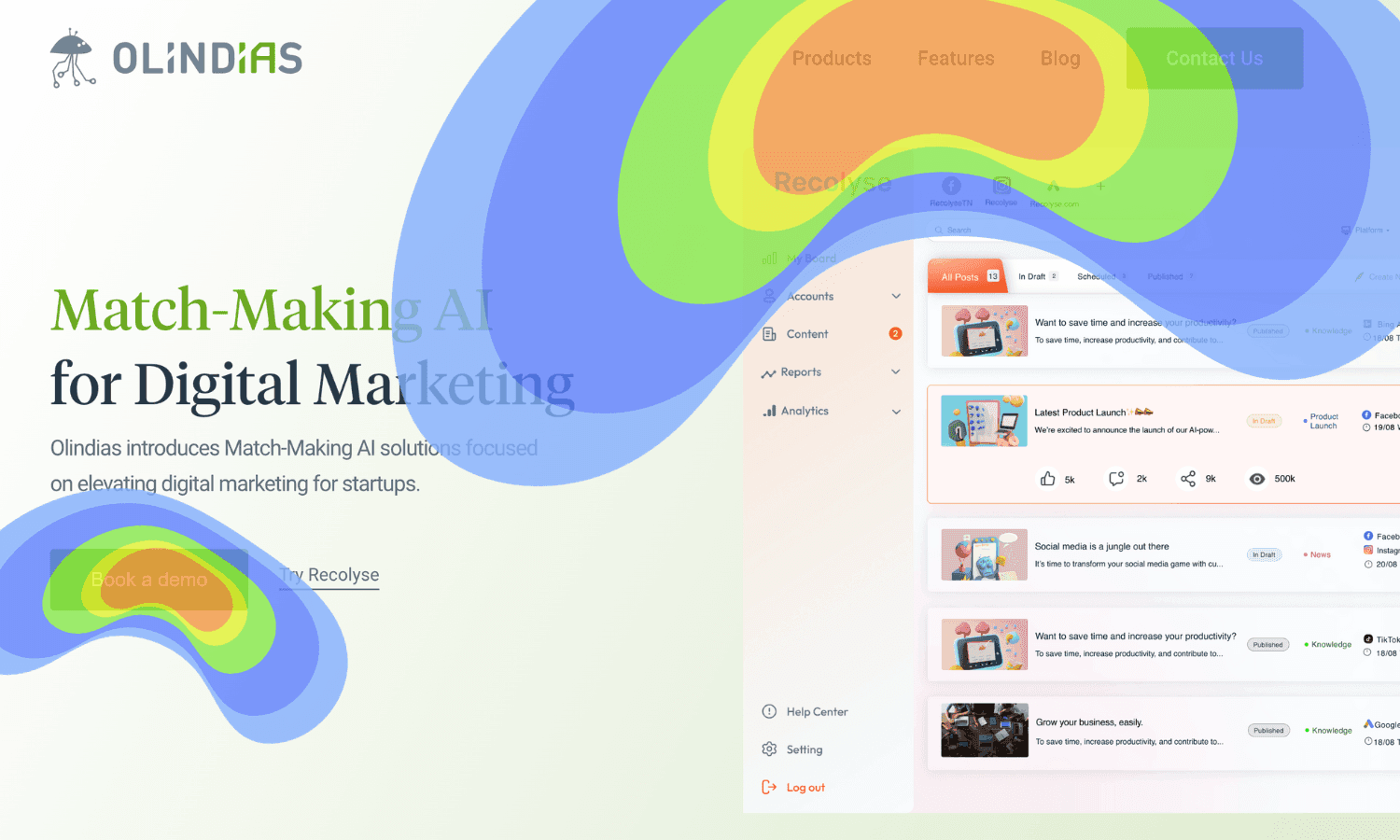
Figure 2: Heatmaps Simulation
Tools for Web Analytics
There are many web analytics tools available, but some of the most popular include:
To know which tool to use or how to use web analytics effectively, businesses must first determine their goals, such as increasing traffic or improving conversion rates. Once goals are established, businesses can set up tracking using web analytics tools.
Data can then be analyzed to identify trends and patterns, allowing businesses to make data-driven decisions.
Continuously monitoring and improving website performance is critical to maximizing the benefits of web analytics.
To wrap up, web analytics are not just about collecting data randomly, it’s about extracting relevant insights to enhance your website’s performance. Don’t forget to set your goals first. What do you want to achieve? More traffic? Higher conversions? Don’t be afraid or hesitant to start your data-driven journey, it can take you places! 😉
FAQs
What does a returning visitor mean?
A returning visitor is someone who visited your website multiple times within a specific period.
Do I need a web developer to use web analytics?
Not necessarily, web analytics tools are designed to be user-friendly and understood by anyone.
How often should I check my web analytics?
It really depends on your goals, frequency of sharing content, and traffic levels, you can check it weekly or monthly.